

Abdullah Alabdulhadi
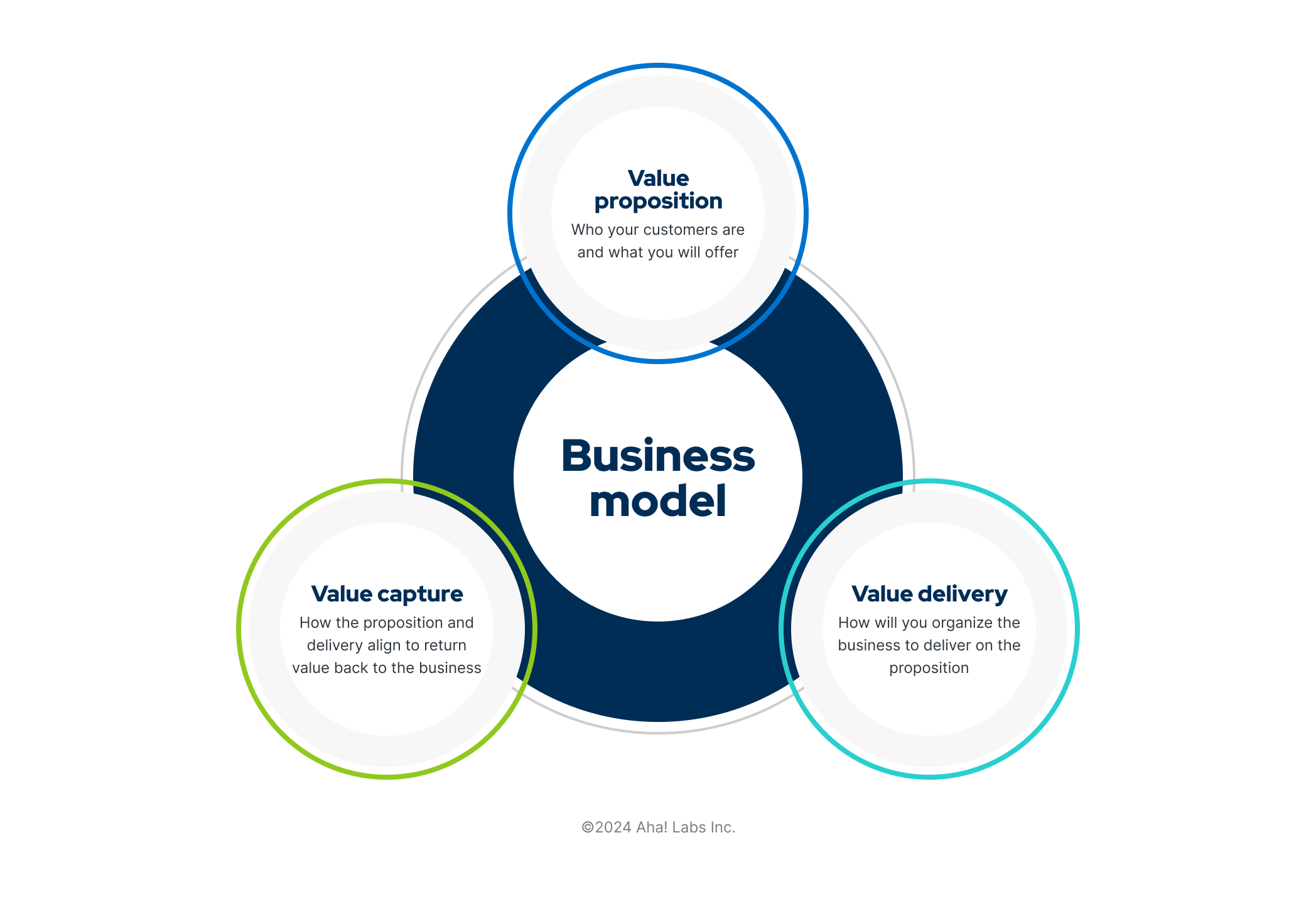
The Udinese and Pozzo family business model is a fascinating case study in modern football, often admired, sometimes criticized, but undeniably unique in its sustained success in identifying and developing talent.
The term “empire” came into play as the Pozzo family acquired other clubs, notably Watford in England and, for a period, Granada in Spain. This multi-club ownership model allowed for synergies: players could be moved between clubs to aid their development,

Gino Pozzo, his son, is widely regarded as the architect of the more modern, data-driven, and perhaps more pragmatic business approach, especially in expanding the multi-club network. He’s seen as a sharp, astute businessman who refined the scouting and player trading model to a fine art. One story often cited is his role in the Alexis Sánchez transfer to Barcelona. While Giampaolo might have been tempted to hold out for an even larger fee although the player wanted Barca or keep the prodigious talent, Gino reportedly played a key role in ensuring the deal went through smoothly, recognizing the right time to sell for a premium, which then funded the next wave of talent. This demonstrated a more calculated, business-first approach. Gino’s management style at Watford also showed a modern understanding of player relations. For example, allowing goalkeeper Ben Foster, a key player, to run his popular YouTube channel (“The Cycling GK”), which included behind-the-scenes matchday footage, was a progressive move. It showed an understanding of modern media and player branding, something perhaps less traditional and totally different to the disbalance of his father roles.
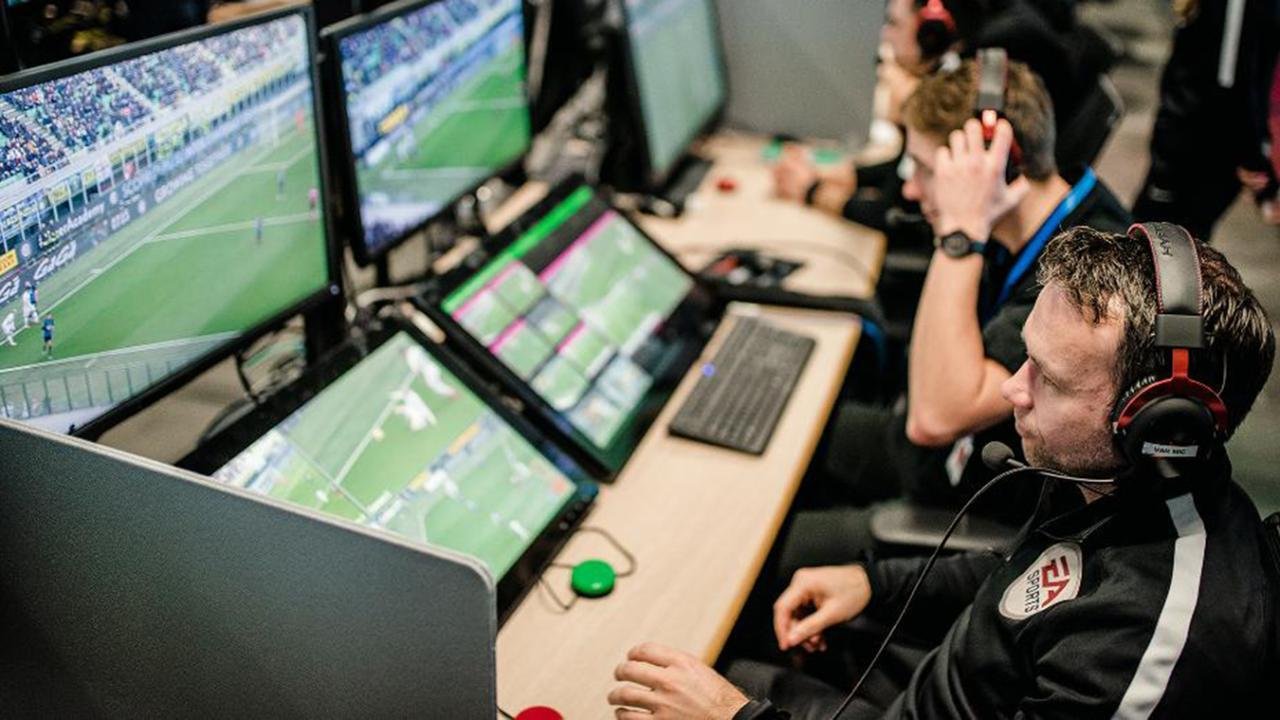
Innovation: VAR, Goal-Line Technology, and Forward Thinking The Pozzo family and Udinese have not just been innovators in scouting but also in embracing football technology. Udinese’s home stadium was among the first in Italy to be fully equipped for goal-line technology. Moreover, reports suggest the club and the Pozzo family were early proponents and supporters of Video Assistant Referee (VAR) technology, seeing its potential to improve fairness in the game. This willingness to invest in and adopt new technologies, even before they became mainstream or mandated, showcased a forward-thinking approach aimed at improving the sport.

Stadium Excellence and Environmental Consciousness Udinese boasts one of the most modern and fan-friendly stadiums in Italy, currently known as Bluenergy Stadium. The Pozzo family oversaw a significant redevelopment, transforming the old Stadio Friuli into a state-of-the-art, privately-owned facility. It’s a covered rectangular stadium, bringing fans close to the pitch and offering excellent sightlines and amenities, a rarity in Italian football where many clubs play in aging, municipally-owned grounds. Beyond the fan experience, there has been a demonstrable commitment to green energy and environmental sustainability. The stadium incorporates numerous eco-friendly features, including solar panels and energy-efficient systems. This focus on sustainability aligns with a modern, responsible business ethos and reflects the Pozzo family’s broader interests in green initiatives. It’s a testament to a desire to build not just a successful football club, but a responsible and forward-looking organization.